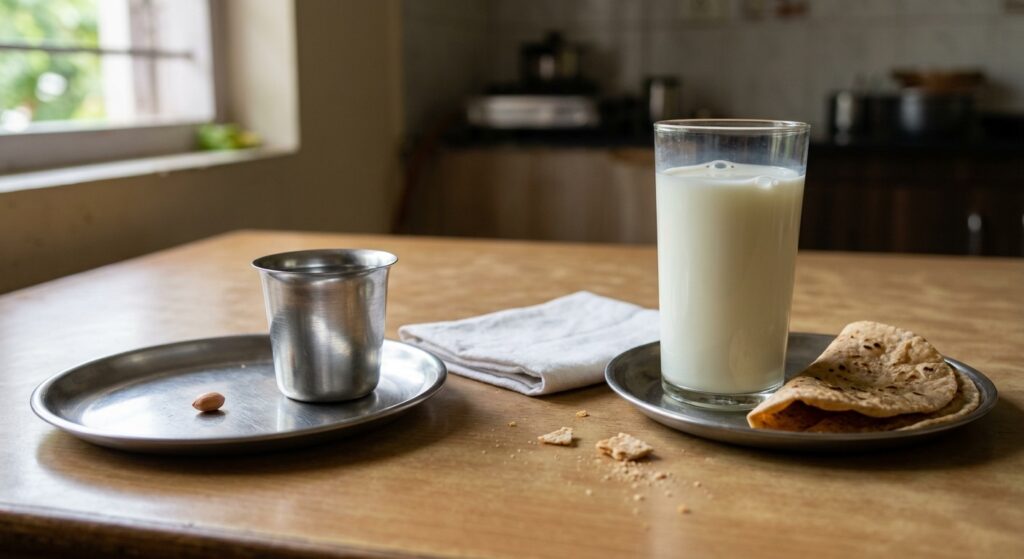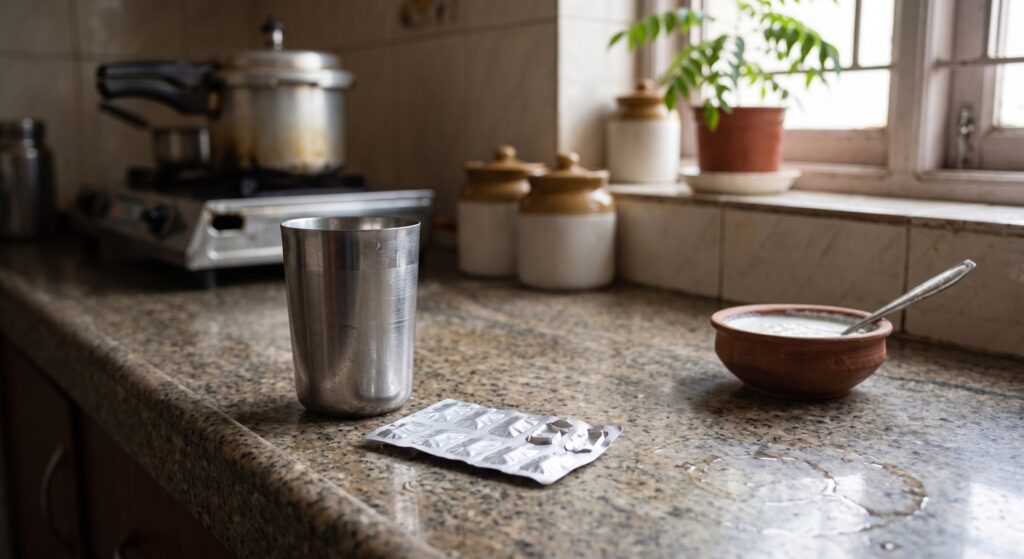


India runs on antacids. Walk into any pharmacy and half the counter is lined with Gelusil, Digene, Eno, pantoprazole, omeprazole, you name it. Acidity is so common that most people treat it like a weather condition. "Aaj acidity ho rahi hai" is said with the same casualness as "aaj garmi hai."
But consider this: if acidity were really just a stomach acid problem, why doesn’t it go away permanently when you suppress the acid? Millions of Indians take PPIs (proton pump inhibitors) daily, sometimes for years. The burning goes away temporarily, but it keeps coming back. And in many cases, it gets worse over time.
That’s because chronic acidity, especially the kind that shows up as persistent heartburn, GERD, or that constant feeling of acid rising in your throat, oftenisn’t primarily a stomach acid problem. It’s frequently a gut microbiome problem that manifests as acid reflux.
The standard story versus what’s actually happening
The conventional explanation for acidity goes like this: your stomach makes too much acid, it splashes up into your oesophagus, and you feel the burn. So you reduce the acid, take a PPI, and the problem is managed.
But research over the past decade has poked some serious holes in this narrative. For starters, many people with GERD don’t actually produce excess acid. Some actually produce less acid than normal. What’s really happening is that the lower oesophageal sphincter (LES) (the muscular valve between your oesophagus and stomach) isn’t closing properly. Even a normal amount of acid causes symptoms when it ends up where it’s not supposed to be.
So the real question isn’t always "why is there too much acid?" It’s often "why isn’t the valve working?"
And this is where the microbiome enters the picture.
How gut bacteria influence acid reflux
Your gut bacteria affect GERD through at least three distinct pathways, and none of them are as simple as "good bacteria vs bad bacteria."
First, there’s the H. pylori paradox. Helicobacter pylori (the bacterium famous for causing ulcers) has a complicated relationship with acid reflux. In countries where H. pylori infection rates have dropped (thanks to widespread antibiotic use), GERD rates have actually gone up. This seems counterintuitive until you understand that certain strains of H. pylori produce a protein called CagA that helps regulate stomach acid production. When you eradicate H. pylori completely, you sometimes remove a brake on acid production that was keeping things in check. This doesn’t mean H. pylori is "good": it can absolutely cause ulcers and gastric cancer. But the relationship between this bacterium and reflux is far more nuanced than "kill the bug, fix the problem."
Second, there’s the microbial bile acid connection. Your gut bacteria play a major role in transforming primary bile acids (made by your liver) into secondary bile acids. When your gut microbial composition shifts (due to diet, a ntibiotics, or stress) this bile acid metabolism gets disrupted. Certain secondary bile acids can relax the lower oesophageal sphincter, literally loosening the valve that keeps acid out of your oesophagus. Studies have found that people with GERD often have altered bile acid profiles compared to healthy controls, and these alterations correlate with specific changes in their gut bacterial composition.
Third, there’s the inflammation pathway. An imbalanced gut microbiome (what scientists call dysbiosis) can increase systemic inflammation. Inflammatory cytokines can affect the nerve signalling that controls the LES and oesophageal motility. Essentially, gut inflammation in your lower intestines can interfere with how well the valve at the top of your stomach functions. The whole system is connected in ways that the "just suppress the acid" approach completely ignores.
This seems counterintuitive until you understand that certain strains of H.
Why PPIs can make things worse long-term
There’s an uncomfortable irony here. PPIs, the most common treatment for acidity in India, can actually worsen the gut microbiome changes that contribute to reflux in the first place.
PPIs work by drastically reducing stomach acid production. But stomach acid isn’t just there to cause you discomfort: it’s a critical part of your body’s defence system. It kills harmful bacteria before they reach your intestines. It helps digest proteins. It facilitates mineral absorption.
When you suppress acid production for months or years, several things happen. Bacteria that would normally be killed in the stomach survive and make their way into the small intestine, potentially contributing to SIBO. The overall composition of your gut microbiome shifts, studies have shown that long-term PPI users have significantly different microbial profiles than non-users, with reductions in beneficial bacteria like Bifidobacteria and increases in potentially harmful organisms like Clostridium difficile. Nutrient absorption decreases, particularly for magnesium, calcium, and vitamin B12.
In other words, the very medication you’re taking to manage acidity may be creating the microbial environment that perpetuates it. You take the PPI, the microbiome shifts, the shifted microbiome contributes to LES dysfunction and altered bile acid metabolism, and the reflux continues, requiring you to keep taking the PPI. It’s a cycle, and it’s one that millions of Indians are stuck in without realising it.
Want to know what your own gut actually needs? Take the BioMeBar gut assessment →
What actually helps: thinking beyond acid suppression
If you’re on PPIs, work with your doctor before making any changes, don’t just stop. But managing chronic acidity purely through acid suppression is treating the symptom while ignoring a major contributing factor. That’s a long-term losing strategy for a lot of people.
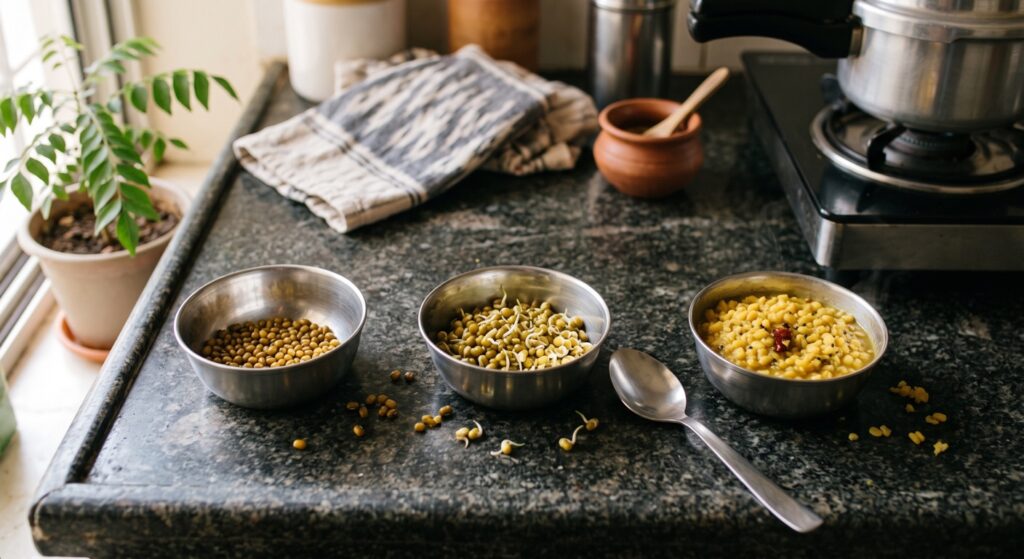
Dietary changes that support a healthy gut microbiome tend to help. Fibre-rich foods (dal, cooked vegetables, whole grains) feed beneficial bacteria that produce short-chain fatty acids like butyrate. Butyrate strengthens the gut barrier, reduces intestinal inflammation, and has been shown to improve oesophageal tissue integrity. Fermented foods like homemade dahi, kanji, and idli introduce beneficial organisms and improve overall microbial diversity.
Eating patterns matter too. The Indian habit of eating a heavy dinner late at night and lying down soon after is a mechanical disaster for reflux. But it’s also a microbial one, large, late meals alter the timing of bile acid secretion and change the metabolic activity of gut bacteria during the window when you’re horizontal and most vulnerable to reflux.
Stress management isn’t just a soft recommendation, chronic stress directly alters gut microbial composition through the gut-brain axis, increasing populations of pro-inflammatory species while reducing beneficial ones. If your acidity gets worse during stressful periods, this isn’t coincidence. Your stress hormones are literally changing which bacteria thrive in your gut.
And then there’s the probiotic angle. Certain strains, particularlyLactobacillus gasseri, Bifidobacterium bifidum, and Lactobacillus reuteri, have shown promise in clinical studies for reducing GERD symptoms, likely through their effects on inflammation, bile acid metabolism, and even direct effects on gastric motility.
But which strains would help you specifically depends on what your microbiome looks like right now. The imbalances driving one person’s chronic acidity aren’t the same as another’s. If you’re tired of the antacid cycle and want to understand what’s actually going on in your gut, BioMeBar’s personalised synbiotic approach is designed to address the specific microbial imbalances behind your symptoms, not just mask them with acid suppression.
“But do I really need to test my gut?”
Not everyone does. But if you have been chasing the same symptoms for months — bloating, low energy, mood dips, stubborn weight — guessing gets expensive and slow. Seeing your actual microbiome composition turns trial-and-error into a targeted plan.
Stop guessing. See what is actually in your gut.
BioMeBar profiles your unique microbiome and personalises recommendations to what is genuinely there, because with trillions of organisms running your biology, one-size-fits-all does not make sense.