You ate too much during the festival season. Maybe it was Diwali, boxes of mithai from every relative and neighbour, fried namkeen, gulab jamun after every meal for a week. Maybe it was wedding season, five shaadis in three weeks, each with a buffet that went past midnight. Maybe it was just the general October-to-January stretch where Indian social life revolves almost entirely around food.
And now your gut is letting you know. Bloating that won’t quit. Acidity that wakes you up at night. A general heaviness that’s settled into your midsection like an uninvited houseguest. Maybe your bowel habits have gone weird, too frequent, not frequent enough, or just different from your normal.
You don’t need guilt, and you don’t need a "detox." What you need is an understanding of what actually happened inside your gut and a realistic plan to fix it.
What festival eating actually does to your microbiome
When you eat large quantities of sugar, refined flour, and fried food over a short period, your gut microbiome shifts and it shifts fast. Research has shown that dietary changes can alter microbial composition within 24-48 hours. During festival season, you’re typically doing several things simultaneously that your gut bacteria care about:
Sugar overload. Indian festival sweets are concentrated sugar and fat, ladoo, barfi, jalebi, rasgulla. When large amounts of simple sugar flood the gut, it preferentially feeds certain bacterial populations. Species like Enterococcus and some Streptococcus strains that thrive on simple sugars can expand rapidly. Meanwhile, bacteria that depend on complex plant fibres, the Prevotella, Roseburia, and Faecalibacterium populations that produce anti-inflammatory SCFAs, get relatively less food and start to decline.
Fibre drop. During festivals and weddings, vegetable intake usually plummets. You’re eating paneer, naan, biryani, and sweets, not exactly a fibre-rich menu. Your SCFA-producing bacteria start starving. When these bacteria don’t have fibre to ferment, they can actually start feeding on the mucus layer that protects your gut lining. Studies in mice have shown that fibre deprivation leads to erosion of the protective mucus barrier within days.
Irregular timing. Late-night wedding dinners, skipped breakfasts, grazing on snacks at odd hours. Your gut bacteria have circadian rhythms; their activity patterns follow a roughly 24-hour cycle that’s synchronised with your eating schedule. When meal timing becomes erratic, this microbial clock gets disrupted, leading to reduced efficiency of digestion and altered metabolite production.
Increased alcohol. For those who drink, festival and wedding season often means more frequent and heavier alcohol consumption. Ethanol directly damages the gut epithelium, increases intestinal permeability (what people call "leaky gut"), and shifts microbial composition toward a more inflammatory profile.
The combined effect of all this isn’t just "feeling heavy." It’s a measurable shift in your gut ecosystem that, if left unaddressed, can take weeks to months to correct on its own.
The recovery: three phases

Recovery from festival-season gut disruption works best as a phased process. Trying to do everything at once (sudden extreme dieting, aggressive cleansing, drastic restriction) usually backfires because your gut bacteria need gradual reintroduction, not shock therapy.
Recovery from festival-season gut disruption works best as a phased process.
Phase 1: Settling down (the first 48 hours)
This is not about punishment or deprivation. It’s about giving your gut a break from the overload.
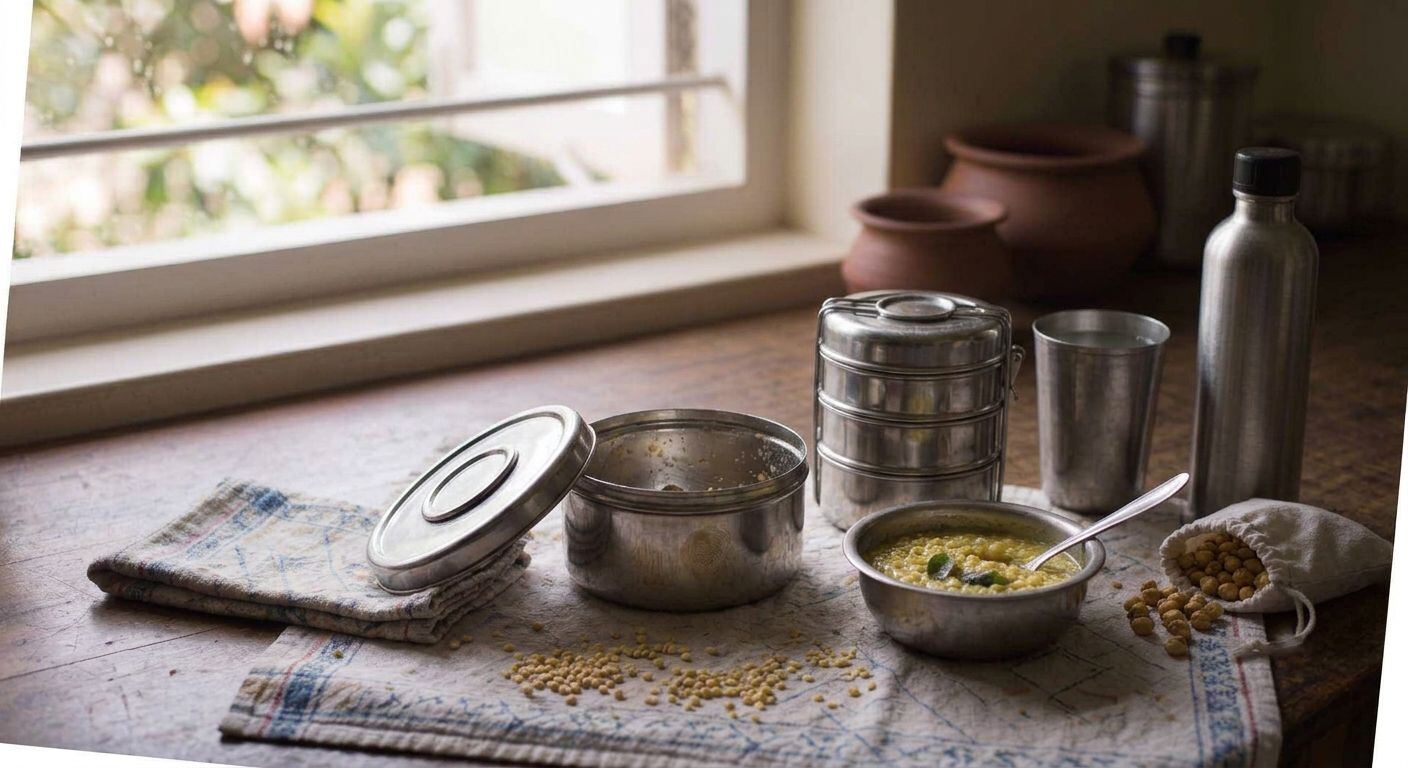
Go back to basics. Simple khichdi. Plain dal-rice. Lightly cooked sabzi. Fresh homemade dahi. These are easy-to-digest foods that also provide gentle fibre and fermented bacteria. Don’t fast aggressively; your gut bacteria need consistent food, just simpler food than what you’ve been eating.
Hydrate properly. Water, buttermilk (chaas), jeera water, ajwain water. Not juice cleanses, not detox teas. Just water and simple traditional drinks. Dehydration from alcohol and salty festival food is common, and your gut functions poorly when you’re dehydrated.
Get your meal timing back on track. Breakfast, lunch, dinner at roughly regular times. No late-night eating. This helps reset your microbial circadian rhythms.
Skip the antacids if you can. The reflex to pop a Digene or Eno after every heavy meal is understandable, but antacids reduce stomach acid, which is your first line of defence against food-borne pathogens and also plays a role in signalling digestive enzyme release downstream. Use them for genuine acute distress, not as a daily habit.
Phase 2: Rebuilding (weeks 1-2)
Once the acute discomfort settles, shift to actively rebuilding your microbial diversity.
Increase plant diversity gradually. Different types of dal on different days, moong, masoor, toor, chana. Seasonal vegetables, palak, lauki, tinda, gajar, whatever’s available. Whole grains, jowar roti, bajra roti, brown rice, oats. The goal is variety, not volume. Research consistently shows that the number of different plant foods you eat per week is the strongest dietary predictor of microbial diversity. Aim for 20-25 different plant foods across the week.
Reintroduce fermented foods daily. A bowl of fresh dahi with lunch. Idli or dosa for breakfast. A glass of chaas in the afternoon. These foods deliver live Lactobacillus and other beneficial bacteria directly, while also providing the acidic environment that supports their establishment.
Add prebiotic-rich foods. Garlic, onion, banana (slightly underripe), asparagus, oats, these foods contain specific fibres (inulin, fructo-oligosaccharides) that preferentially feed beneficial bacterial populations. Garlic and onion are already staples in Indian cooking, so this shouldn’t require major changes, just make sure they’re showing up in your meals regularly.
Reduce sugar intake to pre-festival levels. You don’t need to go zero-sugar. Just stop the boxes-of-mithai-on-the-table pattern. Let your sugar-loving bacterial populations shrink back to their normal proportions.
Once the acute discomfort settles, shift to actively rebuilding your microbial diversity.
Want to know what your own gut actually needs? Take the BioMeBar gut assessment →
Phase 3: Restoration (weeks 3-6)
This is the long game, and it’s where most people drop off. Your microbiome needs sustained, consistent input to fully recover its pre-festival diversity and function.
Continue the diverse plant-based eating. By now it should feel normal, not like a recovery protocol. This is just how you eat, the way your dadi and nani ate, before festival food became a month-long event instead of a few special days.
Pay attention to how specific foods make you feel. If certain foods still cause bloating or discomfort at week 4 that didn’t bother you before the festival season, it may indicate that the specific bacterial populations needed to digest those foods haven’t fully recovered. This is useful information: it tells you where your microbiome still has gaps.
Sleep and stress matter here too. Cortisol (the stress hormone) directly affects gut microbial composition and gut barrier function. If you’re sleeping poorly and stressed out, your gut recovery will be slower regardless of how well you eat. Festival season often leaves people sleep-deprived and socially exhausted. Prioritise getting back to 7-8 hours of sleep.
A word about "detox" culture
Every January, Instagram fills up with detox programmes, gut cleanses, and 7-day reset challenges. Most of these are nonsense. Your liver and kidneys handle detoxification perfectly well without green juice or activated charcoal. And extreme restriction (liquid-only diets, prolonged fasting, cutting out entire food groups) can actually harm your microbiome further by starving the very bacteria you’re trying to rebuild.
Real gut recovery is boring. It’s dal-rice and sabzi. It’s consistent meal timing. It’s sleeping enough. It’s adding back diversity gradually. There’s no dramatic before-and-after, just a slow return to feeling normal.
“But do I really need to test my gut?”
Not everyone does. But if you have been chasing the same symptoms for months — bloating, low energy, mood dips, stubborn weight — guessing gets expensive and slow. Seeing your actual microbiome composition turns trial-and-error into a targeted plan.
Stop guessing. See what is actually in your gut.
BioMeBar profiles your unique microbiome and personalises recommendations to what is genuinely there, because with trillions of organisms running your biology, one-size-fits-all does not make sense.