

Almost every Indian family has a relative who is thin, eats “nothing heavy,” and still gets a diabetes diagnosis in their forties. Genetics explains part of it. The rest is a running conversation between food and the trillions of microbes where that food lands. If you have been told you have high blood sugar or diabetes, or you have a strong family history, start with an HbA1c and a doctor’s review rather than a supplement: no dietary or supplement change replaces standard medical care for diabetes.
That conversation is the link between gut health and metabolic health, and it is stronger than most people assume. The metabolic problems India is living with, diabetes above 100 million cases and a wide band of prediabetes, cannot be fully understood without this layer (Anjana, The Lancet Diabetes & Endocrinology, 2023). The connection runs in both directions, and it is a major reason gut health and weight loss are so often discussed together; for the fuller picture on that, see Gut Microbiome and Weight Loss.
Your genes are fixed. Your microbes shift with diet and lifestyle. That makes the microbiome one of the more changeable parts of the metabolic picture, alongside diet, weight, activity, and sleep, each of which is far better evidenced than microbiome tweaks. If you have diabetes or prediabetes, or a strong family history, the first step is a blood test and medical review, not a supplement: no dietary or supplement change replaces standard medical care for diabetes.
What metabolic health actually is
Metabolic health is a loose umbrella for how well your body handles energy. It covers how efficiently you convert food into usable fuel, how well your cells respond to insulin, how much inflammation you carry, and how fat is stored. None of that runs on your organs alone. Gut bacteria sit inside all of it.
Insulin is the central character. When you eat, insulin tells your cells to take up glucose from the blood. In insulin resistance, cells stop listening properly, so the pancreas works harder and blood sugar creeps up. That process builds for years before any test reads “borderline.” The gut has a voice in how early and how fast it starts.
The fermentation economy
When you eat fibre, from dal, whole wheat roti, vegetables, and fruit, your gut bacteria ferment it into short-chain fatty acids: butyrate, propionate, and acetate. These are not waste. They are active molecules with assigned jobs (Koh, Cell, 2016).
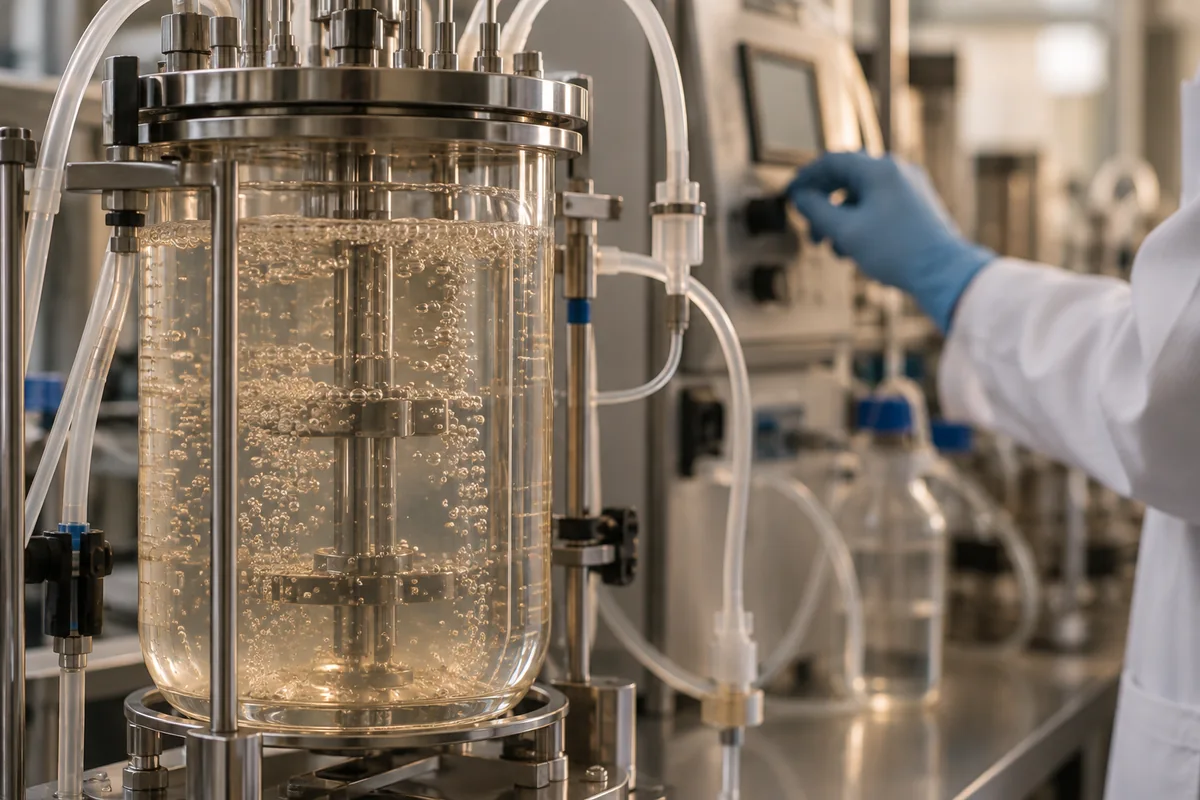
Butyrate feeds the cells lining the colon and keeps the gut barrier intact. Propionate reaches the liver and also signals from the gut itself; in rodent studies it triggers intestinal gluconeogenesis, which in turn dampens the liver’s glucose output. Acetate influences appetite and how fat is handled. A traditional Indian meal, dal with rice and a couple of vegetable preparations, is basically raw material for this economy.
Starve the economy and the effects stack up. The urban Indian plate has drifted toward refined flour, snack foods, and less fibre, so short-chain fatty acid production drops. With fewer of them come a weaker barrier, looser glucose control, more fat storage, and hungrier signals. One root cause feeding many problems at once.
The main butyrate producers are Faecalibacterium prausnitzii and Roseburia species. When these decline, from processed food, antibiotics, stress, or poor sleep, metabolism runs rougher. Low F. prausnitzii is one of the most consistent microbial signatures in inflammatory bowel disease (Machiels, Gut, 2014). Whether it plays the same role in metabolic disease is much less clear. If you have recently been on antibiotics, see Gut Health After Antibiotics.
When the barrier leaks
Your intestinal lining is one cell thick. That single layer separates the contents of your gut from your bloodstream. A healthy barrier lets nutrients through and keeps everything else out.
In animal models, disrupting the microbiome loosens tight junctions and lets bacterial fragments reach the blood. The most studied offender is lipopolysaccharide, a component of the outer wall of certain bacteria. When it reaches circulation, the immune system reads it as an attack and lights a low-grade fire. Researchers call this metabolic endotoxaemia. In mice, infusing LPS reproduces insulin resistance and weight gain (Cani, Diabetes, 2007); in humans it is associated with metabolic disease, but whether it is a driver, a consequence, or partly a measurement artefact is still debated. Human data are more mixed than the animal picture, and which comes first is not settled.
You do not feel this fire the way you feel a fever. It burns quietly, in the background, for years.
The species that keep metabolism steady
Weight and metabolism were linked to specific microbes decades ago. Early mouse work suggested some microbial communities extract more energy from the same food (Turnbaugh, Nature, 2006). In humans the effect is far smaller: a controlled energy-balance study found roughly 150 kcal per day of difference in absorption associated with a 20 percent shift in Firmicutes (Jumpertz, Am J Clin Nutr, 2011). Notably, careful human work found no difference in Bacteroidetes between obese and lean people at all (Duncan, International Journal of Obesity, 2008). The famous Firmicutes-to-Bacteroidetes ratio, which came out of Ley’s early 2000s work, has since been largely rejected as a reliable marker, including by studies like Duncan’s and by a systematic re-analysis of ten obesity datasets (Sze & Schloss, mBio, 2016). The broader principle has not: some guts are better at squeezing calories out of a meal than others.
That principle mattered when food was scarce. In a world of doorstep deliveries and late-night snack orders, it works against you.
The other piece is where fat goes. Bacteria influence not just how much energy you absorb but how the body stores it. Visceral fat, the fat wrapped around the organs, is metabolically active in the worst way: it pumps out inflammatory signals and worsens insulin resistance. This is the mechanism behind a pattern many Indians recognise, people who look thin by any BMI measure but still carry high blood sugar, high triglycerides, and a fatty liver. Clinicians call it metabolically obese, normal weight.
Insulin resistance starts long before the test says so
Most people start thinking about insulin only when a doctor says “diabetes.” But insulin resistance builds for years before blood sugar crosses the diagnostic line.
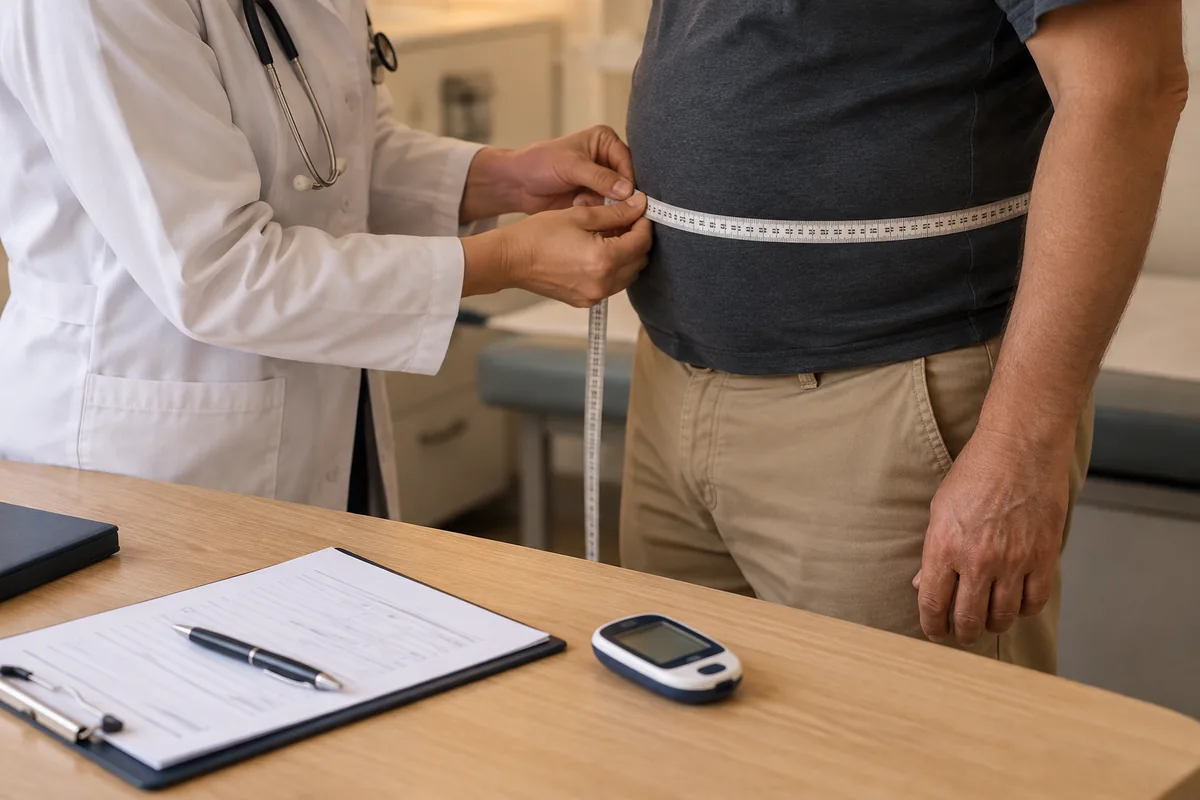
The microbiome feeds that early stage. Blood levels of branched-chain amino acids run high in insulin resistance, and human metagenomic work has linked gut species with high BCAA-synthesis capacity, notably Prevotella copri and Bacteroides vulgatus, to reduced insulin sensitivity (Pedersen, Nature, 2016). So by the time your fasting glucose or HbA1c looks borderline, the gut may have been off-balance for a long time. The damage does not begin at diagnosis. It begins earlier, at the microbial level.
The India angle
Indians develop metabolic disease at lower body weights and younger ages than many Western populations, and baseline inflammatory markers tend to run higher. Diet, environment, and the specific makeup of the Indian gut all contribute. Stack a leaky barrier on top of a diet that is high in refined carbs and increasingly processed, and the compounding is fast. For more on how the Indian diet shapes the gut, see The Indian Diet and Your Gut Microbiome.
None of this means every metabolic problem starts in the gut. Genetics, physical activity, sleep, and stress all matter, and medicine, where needed, matters most. But the gut is the one layer most of us never look at.
How the options compare
| What it is | What it does | Evidence | Cost | Bottom line |
|---|---|---|---|---|
| Fibre-first Indian plate | Feeds SCFA-producers that help glucose control | Real and well established | Same as your food bill | The main lever |
| Fermented foods (dahi, chaas, kanji) | Adds live cultures and metabolites | Real, though strain data is thin | Minimal, made at home | A daily cheap boost |
| Generic probiotic / weight supplement | Adds one or two strains, no gut profile | Strain-specific; variable | Rs 500–2,000 a month | A guess, not a treatment |
| Gut assessment + personalised plan | Reads your microbial profile against symptoms | Built on your biology, not averages | One-time assessment | Turns guessing into targeting |
What actually helps
- Treat fibre as the main lever. Dal, rajma, chole, vegetables, and whole grains beat refined versions every time, and they cost the least.
- Keep ferments in the daily routine. Homemade dahi, chaas, kanji, and fermented batter add live bacteria and their metabolites to a diet that needs them.
- Close the kitchen at night. A longer gap between dinner and breakfast supports the gut’s cleaning cycle and steadier glucose rhythms.
- Move after meals. Even a ten-minute walk after dinner improves post-meal glucose handling.
- Protect sleep. Short-term sleep loss shifts the microbiome, and a shifted microbiome makes metabolism rougher.
- Question repeated antibiotics. Every unnecessary course removes bacteria, and some species return slowly.
BioMeBar: from guessing to knowing
BioMeBar profiles your unique microbiome and personalises recommendations to what is genuinely there, because with trillions of organisms running your biology, one-size-fits-all does not make sense.
No two guts are identical, and neither are two risk profiles. A generic probiotic is a guess; a gut profile is not. A gut profile can be a useful way to understand your starting point, but it is not a substitute for a blood test, a doctor’s review, or the lifestyle changes that evidence supports. BioMeBar’s own plan should be read as educational support for those choices, not as treatment for diabetes or prediabetes.
Limitations and honest caveats
The microbiome is one factor in metabolic disease, not the whole picture, and much of the mechanistic evidence comes from animal work. The Firmicutes-to-Bacteroidetes ratio is oversimplified. Metabolic endotoxaemia is a real and studied phenomenon, but its clinical weight in humans is debated. And no dietary or supplement change replaces medical care for diabetes. This article explains why the gut matters, not how to treat diabetes on your own.
Frequently asked questions
Can improving gut health reverse insulin resistance?
The microbiome influences insulin sensitivity, but it is one factor among several. Diet, sleep, movement, and medical care all matter. Gut-directed changes support metabolic improvement rather than replace treatment.
Is rice or roti bad for metabolic health?
Whole staples are not the problem; refinement and portion patterns are. Whole grains and legumes feed beneficial bacteria and digest more slowly. The issue arises when fibre-rich staples are pushed out by processed, low-fibre food.
How quickly can the microbiome respond to diet change?
Measurable shifts in composition appear within days of a major dietary change, as David and colleagues demonstrated. Lasting remodelling of the whole community takes weeks to months and depends on where you start.
Why am I diabetic even though I am thin?
The “thin diabetic” pattern is well recognised. Metabolic risk does not depend on body weight alone; visceral fat, chronic inflammation, and gut-driven insulin resistance all play a role, and India has a high share of people with this profile.
Do probiotics help with blood sugar?
Some strains show modest effects on glycaemic markers in trials, but results are strain-specific and variable. Without knowing your starting point, a generic probiotic is a guess. Diet, sleep, movement, and medical care matter more.
References
- Anjana RM, et al. Metabolic non-communicable disease health report of India: the ICMR-INDIAB national cross-sectional study. The Lancet Diabetes & Endocrinology, 2023.
- Koh A, et al. From dietary fiber to host physiology: short-chain fatty acids as key bacterial metabolites. Cell, 2016.
- Machiels K, et al. A decrease of the butyrate-producing species Roseburia hominis and Faecalibacterium prausnitzii defines dysbiosis in patients with ulcerative colitis. Gut, 2014.
- Cani PD, et al. Metabolic endotoxemia initiates obesity and insulin resistance. Diabetes, 2007.
- Duncan SH, et al. Human colonic microbiota associated with diet, obesity and weight loss. International Journal of Obesity, 2008.
- David LA, et al. Diet rapidly and reproducibly alters the human gut microbiome. Nature, 2014.
- Turnbaugh PJ, et al. An obesity-associated gut microbiome with increased capacity for energy harvest. Nature, 2006.
- Jumpertz R, et al. Energy-balance studies reveal associations between gut microbes, caloric load, and nutrient absorption in humans. Am J Clin Nutr, 2011.
- Sze MA, Schloss PD. Looking for a signal in the noise: revisiting obesity and the microbiome. mBio, 2016.
- Pedersen HK, et al. Human gut microbes impact host serum metabolome and insulin sensitivity. Nature, 2016.
This article is educational and is not a substitute for professional medical advice.